


2026 AO WInter Camp
Myoko Ski Winter Camp (Residential Camp)
Myoko Ski Winter Camp (Residential Camp)
Set in the snow-rich mountains of Myoko, Niigata Prefecture, the MYOKO Ski Winter Camp is a premium 6-day / 5-night residential winter programme designed for students to experience world-class ski instruction, Japanese mountain culture and unforgettable snow adventures.
Address
Address
Myoko Suginohara; Akakura Kanko Ski Resorts; Myoko Youth Nature House
Fees include
Fees include
The package includes:
- 5 nights’ residential accommodation at Myoko Youth Nature House
- All meals during the camp programme
- Four morning ski or snowboard school sessions
- Instruction by Myoko SnowSports International Ski School
- Ski lift passes for scheduled ski-school sessions
- Ski or snowboard equipment rental for scheduled lessons, including skis/snowboard, boots and poles where applicable
- Helmet rental for ski/snowboard sessions
- Afternoon snow adventure activities
- Evening camp activities and cultural experiences
- Jigokudani Snow Monkey Park excursion
- Round-trip airport transfers from/to Narita or Haneda Airport
- Tokyo escort service for transfer pickup and drop-off
- First aid support during the camp
- Programme materials and activity equipment required for scheduled camp activities
What’s Not Included
The package does not include:
- International or domestic flights to/from Japan
- Personal travel insurance, winter sports insurance or medical insurance
- Personal ski clothing, including ski jacket, ski pants, thermal layers, gloves, goggles, ski socks and neck warmer
- Personal expenses and pocket money
- Passport, visa or travel document fees where applicable
- Meals, snacks or drinks outside the scheduled camp meal plan
- Medical treatment, hospital fees, medication or emergency evacuation costs if required
- Damage, loss or theft of personal belongings or rented equipment caused by negligence
Couldn't load pickup availability


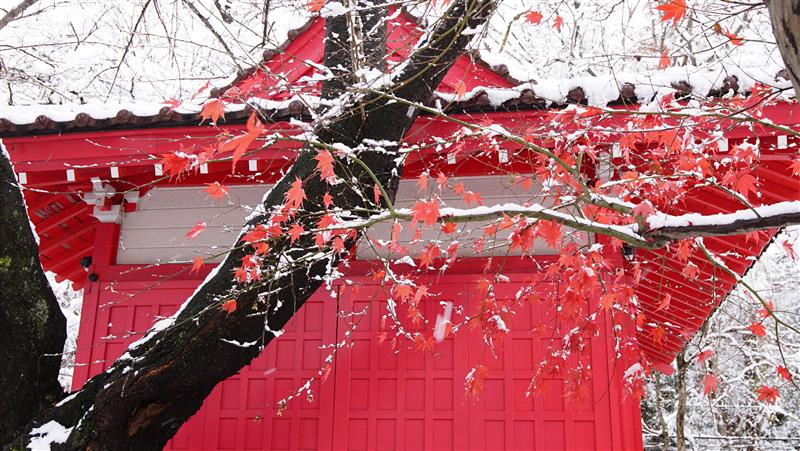
Located around the majestic Mount Myoko, a volcanic mountain, Myoko is one of Japan’s most celebrated winter destinations. This volcanic landscape gives the region a distinctive alpine character, with dramatic mountain scenery, natural hot springs and deep-snow terrain — making the camp experience especially unique. Myoko is not a single resort but a wider mountain region made up of established ski areas, traditional hot-spring communities, forests, lakes and deep-snow landscapes. The area is known for its generous winter snowfall, shaped by moisture from the Sea of Japan and the surrounding mountain terrain. Myoko is also widely recognised as one of Japan’s most snow-rich regions, with records identifying the wider area as one of the country’s highest snowfall zones.
Students will train with international professional coaches across two of Myoko’s signature ski areas: Myoko Suginohara Ski Resort and Akakura Kanko Ski Resort. Ski and snowboard instruction will be delivered by Myoko SnowSports International, a highly regarded ski school recognised by Ski Asia as “Best Ski School in Japan” five times. Beyond the slopes, students will enjoy snow adventure activities, cultural experiences and a proposed visit to Jigokudani Snow Monkey Park, offering a balanced winter learning journey in one of Japan’s most historic ski regions — all within a safe, supervised and structured winter camp environment.
Sample Timetable

Schedule may be subject to change.
Programme Highlights
1. Progressive Ski & Snowboard Programme
Ski and snowboard courses are meticulously designed with a progressive, level-based approach, catering to participants ranging from complete beginners to advanced riders. Certified instructors provide personalised, step-by-step guidance tailored to each student’s ability, ensuring steady improvement in a safe and engaging environment.
Instruction will be delivered by Myoko SnowSports International, a leading ski school in the region and a five-time winner of Ski Asia’s “Best Ski School in Japan” award. This gives students access to high-quality coaching in one of Japan’s most respected winter sports destinations.
2. Four Premium Ski Mornings at Two Signature Resorts
The camp is planned to include four morning ski-school sessions, with two mornings at Myoko Suginohara Ski Resort and two mornings at Akakura Kanko Ski Resort.
This gives students the opportunity to experience two distinct ski environments:
- The long, wide groomed runs of Suginohara, ideal for building rhythm, control and confidence.
- The historic slopes of Akakura Kanko, offering a classic Japanese ski-town atmosphere and varied terrain for progressive learning.
Each ski morning is designed to provide up to approximately 2.5 to 3 hours of structured instruction, followed by lunch and afternoon snow activities.
3. WMA Wilderness First Aid Workshop
This 6–8 hour Wilderness Medical Associates-based first aid learning experience introduces students to the responsibility of caring for someone when professional assistance may not be immediately available. Training combines explanation, demonstration, practical skills and realistic scenarios so students learn by assessing and caring for simulated patients.
Students begin with emergency response, calling for help, patient assessment, and recognition of vital signs and major life threats. Practical sessions then introduce the management of common trauma, including cuts, bleeding and suspected fractures; CPR principles, including rescue breathing and chest compressions; basic considerations for head and spinal injuries; and thermal regulation, with particular attention to recognising and responding to hypothermia in a winter environment. The emphasis is not simply on remembering procedures. Students practise remaining calm, communicating clearly, prioritising problems and working effectively as a team when another person depends on them.
Participants who successfully complete the required training and assessment will receive the WMA Basic First Aid/CPR Certificate.
About Wilderness Medical Associates International
With more than 40 years of leadership in wilderness and remote medicine, Wilderness Medical Associates International is a pioneer and global leader in the field. WMA training has been delivered across all seven continents, reaching more than 10,000 participants each year through a global network of experienced medical, emergency and rescue professionals. Its evidence-informed curriculum is regularly reviewed to reflect current medical practice and the realities of providing care in remote and challenging environments.
4. Snow Monkey Tour: Jigokudani Yaen-Koen
A unique highlight of the camp is the visit to Jigokudani Snow Monkey Park, officially known as Jigokudani Yaen-Koen, located in Yamanouchi, northern Nagano Prefecture.
Situated in a mountain valley at an elevation of around 850 metres, the park was established in 1964 and is internationally known for the opportunity to observe wild Japanese macaques, commonly known as snow monkeys, at close range. In winter, the monkeys are especially famous for their hot-spring bathing behaviour.
This excursion offers students a rare opportunity to connect with Japanese wildlife and mountain ecology beyond the ski slopes. It is also an excellent educational experience, helping students understand animal behaviour, winter adaptation and responsible wildlife observation.
5. Winter Survival Challenge & Capture the Flag
Students explore the fundamentals of winter survival through a hands-on team challenge. They learn how shelter, warmth, fire, water and food become priorities in a cold environment, and consider how snow, natural materials and smart site selection can help protect the body from exposure.
Teams then put their learning into action by building a snow fort or emergency shelter. Once complete, the shelters become team bases for a lively Capture the Flag snow game — turning practical survival learning into strategy, movement and fun.
6. Traditional Japanese Woodcraft
This quieter cultural activity gives students the chance to work with natural materials such as bamboo and cedar while learning about traditional Japanese craftsmanship.
Under guidance, students shape and finish their own handmade piece, developing patience, care and attention to detail. Rather than making a simple souvenir, students are encouraged to create their item as a gift for someone they wish to thank — turning craft into a meaningful act of gratitude.
7. Myoko Soba Making
Students discover Japanese food culture by making soba noodles from scratch with a local instructor. They mix buckwheat flour into dough, roll it, fold it, cut it into noodles, and finally enjoy the finished soba together with local accompaniments.
The activity is hands-on, enjoyable and surprisingly precise. Students learn that simple traditional foods often require patience, judgement and skilled hands — and that food connects people to land, culture and community.
8. Christmas Kris Kringle & Winter Celebration
Christmas Day becomes a warm shared celebration at camp, with the focus on giving, gratitude and friendship rather than formal observance.
Students help decorate a camp tree and take part in a Kris Kringle gift exchange, preparing or selecting a small gift for another participant. The evening continues with winter and Christmas games, shared food and relaxed group time.
After several active learning days, this lighter session gives students space to laugh, connect and strengthen friendships across the group.
9. Wakan Eco Hike & Forest Shrine Journey
Wearing traditional Japanese wakan-style snowshoes, students head into the winter forest with a nature and wilderness specialist. Moving slowly through deep snow, they learn to observe animal tracks, feeding signs and movement trails, while discussing how wildlife adapts to cold, snow and limited winter food.
Depending on conditions, students may find signs of animals such as winter hare, squirrels, martens, foxes, tanuki or the Japanese serow, known as kamoshika.
The journey concludes at a local shrine, where students experience a simple Japanese expression of gratitude for safe passage through the forest — connecting ecology, culture and reflection in one memorable outing.
10. Christmas Ice Lantern & Campfire Festival
For the final evening, weather permitting, students help transform the outdoor winter space with handmade ice lanterns, candlelight, snow and fire.
The group gathers around a final campfire beneath the Myoko winter sky for stories, simple games and relaxed reflection. Students are invited to think about what challenged them, what surprised them, who helped them, and what they will take away from the camp.
It is designed to be a memorable final night where celebration and meaning come together — something the students helped create, not just something provided for them.
Ski & Snowboard Skill Progression
Our camp welcomes students across a full range of skiing and snowboarding abilities, from first-time learners to advanced skiers and riders. To deliver safe, effective and enjoyable instruction, students will be grouped by their chosen discipline and current ability level.
Please review the level descriptions below to select the most appropriate level at enrolment. Final group placement will be assessed by instructors on site to ensure every student learns in a supportive, well-matched environment.
Ski Levels
Level 1 — DISCOVER (First Contact with Snow)
For students new to skiing, focusing on building comfort with equipment, basic movement and the mountain environment. Students will learn correct equipment fitting, athletic stance and balance, straight gliding, wedge/snowplough braking, basic direction changes, independent recovery from falls, and beginner lift procedures.
Level 2 — CONTROL (Turning, Stopping & Independence)
For students who can make consistent snowplough turns on beginner terrain. Students will develop reliable speed and directional control, link left and right turns, traverse slopes, stop at chosen locations, use lifts independently, and understand basic slope etiquette and right-of-way responsibility.
Level 3 — CONNECT (Developing Flow & Confidence)
For students who can start turns in a snowplough and finish them in parallel across all beginner terrain and some easy intermediate terrain. Students will build consistent linked turns, progress from wedge toward parallel skiing, develop edge engagement and pressure control, introduce pole use, and adapt to steeper groomed terrain and changing snow conditions.
Level 4 — EXPLORE (Variable Terrain & Adaptability)
For students who can make full parallel turns on intermediate terrain. Students will build confident parallel turns, effective pole planting, dynamic edge and pressure management, adapt to variable terrain including bumps and uneven snow, and develop line selection and balance across changing conditions.
Level 5 — PERFORM (Confident, Responsible Mountain Participation)
For students who can ski parallel on advanced and variable terrain. Students will refine parallel and carved turns, master dynamic short turns, advance powder and variable-snow technique, develop tactical line selection, and build personal technical analysis and self-correction skills.
Snowboard Levels
Level 1 — DISCOVER (First Contact with Snow)
For students new to snowboarding, focusing on building comfort with equipment, basic balance and movement on snow. Students will learn board setup and stance orientation, one-foot skating, straight gliding, heel-side and toe-side sideslipping, basic speed control, proper falling and recovery, and beginner lift procedures.
Level 2 — CONTROL (Turning, Stopping & Independence)
For students who can sideslip and perform falling leaf on their heels and/or toes. Students will develop confident sideslipping, directional traversing, J-turns, introductory linked heel-to-toe turns, and improved balance and speed control across beginner terrain.
Level 3 — CONNECT (Developing Flow & Confidence)
For students who can link turns consistently on beginner terrain. Students will build smoother edge changes, improved edge control, efficient upper/lower body movement, shaped turns for speed control, and adapt to steeper groomed slopes.
Level 4 — EXPLORE (Variable Terrain & Adaptability)
For students who can link turns dynamically on intermediate terrain. Students will develop carved turns, strong edge engagement, variable terrain riding ability, basic powder technique, improved switch riding, and line choice and speed management.
Level 5 — PERFORM (Confident, Responsible Mountain Participation)
For students who can ride confidently on advanced and variable terrain. Students will refine carving technique, master dynamic short and long turns, advance powder riding, build stronger switch riding, develop tactical terrain and line selection, and practise personal technical analysis and correction.
Progression Beyond Camp
The primary outcome of the programme is individual progress, not universal advancement to Level 5.
At the end of the camp, each student will receive an individual progression update outlining their current level, skills achieved, skills in development, and recommended next steps.
Ski Resorts Introduction
1.Myoko City: A Historic Snow Destination
Myoko City is located in the south-western part of Niigata Prefecture, Japan. The Myoko Kogen area sits around Mount Myoko, which rises to approximately 2,454 metres, and forms part of the wider Myoko-Togakushi Renzan National Park landscape.
The volcanic landscape around Mount Myoko gives the region its distinctive winter character, combining dramatic mountain scenery, natural hot-spring culture and deep-snow terrain. This makes Myoko more than a ski destination — it offers students a unique opportunity to experience the connection between Japan’s geology, mountain ecology and winter culture.
Myoko is a multi-resort mountain destination rather than one individual ski resort. Ski areas in and around the region include Akakura Kanko, Akakura Onsen, Myoko Suginohara, Ikenotaira Onsen and other surrounding resorts.


2. Myoko Suginohara Ski Resort - The Long-Run Resort
Located on the eastern slope of Mount Myoko, Myoko Suginohara Ski Resort is known for long, wide groomed runs and a spectacular sense of scale.
Its longest route is approximately 8.5 km, recognised as one of Japan’s longest ski runs. Depending on conditions and selected route, students may experience over 6 km of continuous non-stop skiing, making Suginohara a memorable location for building rhythm, control and endurance.


Why Suginohara
Suginohara is ideal for students who want to feel real progression. Its wide groomed terrain gives beginners and intermediates space to practise turns, while the long descent helps stronger students build flow and stamina.
On clear days, students may also enjoy views toward Lake Nojiri, and from higher areas, even distant views of Mount Fuji may be possible in excellent visibility.
3. Akakura Kanko Ski Resort - The Original Historic Ski-Town Experience
Akakura Kanko Ski Resort, often called Akakan, is one of Myoko’s most historic ski areas. Established in 1937, it is recognised as one of Japan’s early European-style mountain ski resorts.


Why Akakura Kanko
Akakura Kanko offers a strong mix of beginner, intermediate and advanced terrain, making it suitable for mixed-ability groups. Students can progress from gentle slopes to longer and more varied runs as their confidence grows.
Its historic setting also gives students a sense of skiing in one of Japan’s original mountain destinations — a place where winter sport, hot springs and alpine culture have developed together over generations.
Accommodation: Myoko Youth Nature House
Students will stay at Myoko Youth Nature House, an educational residential facility located at the foot of Mount Myoko, surrounded by rich natural scenery.
The facility is designed to provide young people with meaningful outdoor learning experiences that support physical, social and emotional growth. Its educational philosophy encourages responsibility, consideration for others and care for shared spaces through a “relay of kindness” approach — the idea that each group prepares the environment thoughtfully for the next.
Facility Features
Myoko Youth Nature House offers a wide range of facilities suitable for school groups and youth programmes, including:
- Residential accommodation blocks
- Dining hall
- Learning and meeting rooms
- Play hall for light sports and recreation
- Craft rooms
- Ski room and winter equipment areas
- Shared indoor spaces
- Bathing facilities
- Outdoor cooking and activity areas
- Camping and snow activity facilities
Meals
Breakfast, lunch and dinner are served in a buffet-style format at the facility dining hall.
The dining hall has approximately 240 seats, making it well suited for group dining. Meals provide a structured and social setting where students can refuel after active days in the snow.


Travel from Tokyo to Myoko
The camp is designed to be accessible from Tokyo within approximately 2.5 to 3 hours, including train and road transfer.
For students travelling independently, the meeting point on Day 1 and collection point on the final day are both at Narita/Haneda Airport.
Round-trip transfers to/from Narita and Haneda Airports are included in the package.
Planned Route
Tokyo Station → Joetsu-Myoko Station → Myoko Youth Nature House / Resort Area
- Tokyo Station to Joetsu-Myoko Station: Approximately 2 hours by Hokuriku Shinkansen
- Joetsu-Myoko Station to Myoko area: Approximately 30 minutes by bus or private transfer
- Estimated total travel time: Approximately 2.5 to 3 hours, depending on schedule and road conditions
A Tokyo escort service will be provided for transfer pickup and drop-off to support a smooth journey for students.
To ensure a smooth escort and transfer process, arrival flights are recommended to be scheduled before 10am, and departure flights after 6pm.
Safety, Supervision and First Aid Support
Safety is central to the MYOKO Ski Winter Camp experience. The programme is designed with multiple layers of support, combining professional ski instruction, close student supervision, daily safety checks, first aid readiness and flexible contingency planning for winter mountain conditions.
Ski and snowboard lessons will be delivered by Myoko SnowSports International Ski School, with students grouped according to discipline and ability level. This allows instruction to be matched appropriately to each student’s experience, confidence and progression needs.
The camp maintains a close supervision structure, with an overall student-to-staff ratio of approximately 1:5. Staff will support students throughout the day, including during transfers, meals, equipment preparation, ski sessions, afternoon activities and evening routines.
For additional reassurance, first aid support will be available during the programme. Camp staff will follow established safety procedures in the event of minor injuries, illness or accidents, including initial response, communication with guardians where required, and coordination with local medical services if further care is needed.
Each ski day will include practical safety measures such as weather checks, equipment checks, helmet and boot checks, group briefings, instructor allocation, emergency meeting point reminders and end-of-session headcounts. Students will also be taught basic slope safety, including speed control, group spacing, lift etiquette and what to do if they become separated from the group.
Winter mountain conditions can change quickly, so the programme includes contingency planning. If weather, road or resort conditions are considered unsuitable, activities may be adjusted, relocated or replaced with safer alternatives at Myoko Youth Nature House or nearby facilities. This ensures students can continue enjoying a meaningful winter experience while safety remains the top priority.
Camp Details
Dates: 21-26 December 2026
Location: Myoko Suginohara; Akakura Kanko Ski Resorts; Myoko Youth Nature House
Camp Type: 5.5 Day Residential Camp
Language: English
Age Group: 10 – 16 years old
Staff Ratio: 1:5 Student-to-Staff Ratio
What’s Included
The package includes:
- 5 nights’ residential accommodation at Myoko Youth Nature House
- All meals during the camp programme
- Four morning ski or snowboard school sessions
- Instruction by Myoko SnowSports International Ski School
- Ski lift passes for scheduled ski-school sessions
- Ski or snowboard equipment rental for scheduled lessons, including skis/snowboard, boots and poles where applicable
- Helmet rental for ski/snowboard sessions
- Afternoon snow adventure activities
- Evening camp activities and cultural experiences
- Jigokudani Snow Monkey Park excursion
- Round-trip airport transfers from/to Narita or Haneda Airport
- Tokyo escort service for transfer pickup and drop-off
- First aid support during the camp
- Programme materials and activity equipment required for scheduled camp activities
What’s Not Included
The package does not include:
- International or domestic flights to/from Japan
- Personal travel insurance, winter sports insurance or medical insurance
- Personal ski clothing, including ski jacket, ski pants, thermal layers, gloves, goggles, ski socks and neck warmer
- Personal expenses and pocket money
- Passport, visa or travel document fees where applicable
- Meals, snacks or drinks outside the scheduled camp meal plan
- Medical treatment, hospital fees, medication or emergency evacuation costs if required
- Damage, loss or theft of personal belongings or rented equipment caused by negligence
Terms and Conditions
We have a number of policies in place to assure the quality of our programmes, their administration and the safety of the children and staff who take part in them. Please take a moment to review our policies and guidelines.
Please also read through our Personal Information Collection Statement to understand how we may use your personal data.